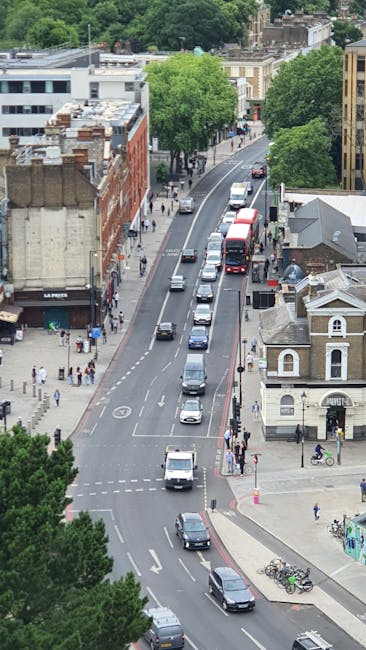
Common problems with last minute removals in Elephant and Castle
Last-minute moving plans can feel like a mad dash across Elephant and Castle at rush hour: keys in one hand, boxes in the other, and a growing sense that something will definitely be forgotten. The common problems with last minute removals in Elephant and Castle are rarely dramatic on their own, but together they can turn a simple move into a stressful day. Tight streets, lift access, parking pressure, short notice booking, and missing packing supplies all tend to show up at once.
This guide breaks down what usually goes wrong, why it happens locally, and how to reduce the damage when time is not on your side. If you are moving a flat, a house, a student room, or an office, the aim is simple: help you stay organised, avoid expensive surprises, and make the move feel manageable rather than chaotic.
For a fuller look at the wider service options people often consider alongside urgent moves, you may also find same-day removals and man and van useful as starting points.
Table of Contents
- Why Common problems with last minute removals in Elephant and Castle Matters
- How Common problems with last minute removals in Elephant and Castle Works
- Key Benefits and Practical Advantages
- Who This Is For and When It Makes Sense
- Step-by-Step Guidance
- Expert Tips for Better Results
- Common Mistakes to Avoid
- Tools, Resources and Recommendations
- Law, Compliance, Standards, or Best Practice
- Options, Methods, or Comparison Table
- Case Study or Real-World Example
- Practical Checklist
- Conclusion
- Frequently Asked Questions
Why Common problems with last minute removals in Elephant and Castle Matters
Elephant and Castle is busy, built-up, and not always forgiving when plans change at the eleventh hour. That is the main reason last-minute removals become tricky here. You are often dealing with shared entrances, narrow access points, timed loading, busy roads, and neighbours who are not exactly thrilled to see a van blocking the way. Simple enough in theory. In practice, it gets messy quickly.
The biggest issue is that a removal is never just "lift things into van, drive away, done". There is parking to think about, boxes to label, fragile items to protect, and the awkward bit of matching the move-out time with the move-in time. Add a short deadline and the whole thing starts to wobble. Who has not looked around a room at 9pm and thought, "Right, this looked easier on Monday"? It happens.
In Elephant and Castle, last-minute moves also matter because local housing types vary so much. Some people are moving from a high-rise flat with lift restrictions. Others are leaving a Victorian terrace with awkward internal stairs. Offices near busy roads face different problems again. The details matter, and rushing makes those details easier to miss.
There is also the cost side. Panic booking often means fewer options and less room to compare services. If you need a more general overview of removal choices, the site's removal services and removals pages can help you understand the range before you commit.
How Common problems with last minute removals in Elephant and Castle Works
A last-minute removal usually starts with urgency, not planning. Maybe a tenancy ended earlier than expected. Maybe a sale completed sooner than you thought. Maybe a work move changed overnight. The move still has to happen, but the normal lead time has collapsed.
From there, most problems follow a familiar pattern:
- Availability narrows. The best removal slots go first, especially at weekends, month-end, and school holiday periods.
- Logistics get compressed. Packing, dismantling, parking, and access arrangements have less time to be checked.
- Errors increase. Missing measurements, wrong van size, poor route planning, or forgotten items become more likely.
- Stress rises. People make hurried decisions and sometimes accept poor advice just to get something booked.
That is why local knowledge matters so much. A crew that understands Elephant and Castle is more likely to anticipate building access issues, travel delays, and the kind of "small" complication that is only small until the sofa arrives at the doorway. Not glamorous, but very real.
In many urgent moves, the service chosen will depend on the volume of items, the distance, and how much packing is already done. If the move is lightweight, a smaller vehicle may do the job. If the job is larger or includes furniture, a more structured approach may be better. For example, a removal van or moving truck may suit different load sizes and access conditions.
Key Benefits and Practical Advantages
It may sound odd to talk about benefits when the topic is last-minute stress, but there are some clear upsides if the move is handled properly. The right approach can reduce delays, protect belongings, and cut the risk of accidental damage. More importantly, it can stop the whole thing from spiralling.
- Faster decision-making: You spend less time second-guessing and more time acting on a realistic plan.
- Less wasted effort: When the route, van, and timing are matched properly, you avoid extra trips and unnecessary lifting.
- Lower breakage risk: A quick but sensible packing method still beats a chaotic one every time.
- Better use of local knowledge: Someone familiar with Elephant and Castle may know which access points, loading spots, and time windows are more workable.
- More predictable moving day: Even an urgent move can feel calmer if the main risks are named early.
There is also a psychological benefit. Once you have a plan, however rough, the day tends to feel less like a fire drill. Truth be told, that alone can change everything. You may still be tired, but at least you are tired with a direction.
For people moving furniture, especially bulky pieces, the site's furniture removals and furniture pick up pages can be useful when time is short and the load is awkward.
Who This Is For and When It Makes Sense
Last-minute removals are not just for people who forgot to organise their move. Plenty of perfectly sensible situations create urgency. A lease can end early, a sale can complete suddenly, or a landlord may give short notice. Life happens. It is not always neat.
This topic is especially relevant if you are:
- leaving a flat in or near Elephant and Castle with limited lift or stair access
- moving from a shared property where everyone packs at different speeds
- handling a student move between terms
- relocating a small office or studio space
- moving a few bulky items that need careful handling
- trying to fit a move around work, childcare, or train times
It also makes sense if you are comparing options quickly and want to know what matters most before booking. A lot of people think they need the biggest van or the cheapest quote. Often, they need neither. They need the right mix of availability, access planning, and a sensible crew size. Slightly boring answer, but usually the true one.
If your move is business-related, take a look at office removals and commercial moves for the kind of planning businesses tend to need under pressure.
Step-by-Step Guidance
If you are facing a rushed move, do not try to solve everything at once. Work in stages. That is how you stop the panic from running the show.
1. Confirm what is actually moving
Start with a rough inventory. Not a perfect one. Just the essentials: furniture, boxes, fragile items, white goods, documents, plants, and anything too awkward to lift alone. The point is to know volume, not to write a novel about every mug you own.
2. Check the access at both ends
Measure doorways, stair turns, lifts, hallways, and loading space. In Elephant and Castle, access is often where the whole plan either works or collapses. If there is no practical place to stop, the mover may need a different van size or a different loading approach.
3. Sort the non-negotiables first
Prioritise passports, keys, medication, chargers, bank cards, and one change of clothes. Keep these with you. Do not let them disappear into a box labelled "misc". That box is a trap. A very ordinary, very annoying trap.
4. Pack by room, then by priority
Use a room-by-room method so unpacking is less painful later. Label boxes clearly on two sides if possible. If time is tight, prioritise the items you will need within the first 24 hours at the new place.
5. Pick the right moving method
Choose a service that matches the load and the time available. A simple item move is not the same as a full-house relocation. If you are unsure, man with a van or man with van options may be suitable for smaller, more flexible jobs, while larger households may need a more structured house removals approach.
6. Build in a buffer
Even twenty extra minutes can matter. A lift may be slow. Traffic may back up. A neighbour may be using the only loading space. You do not need a dramatic buffer, just enough breathing room to stop the whole day from becoming a chase.
7. Keep communication simple and direct
Send the mover the essential details early: addresses, floor levels, access notes, parking restrictions, item list, and any fragile or high-value pieces. If you are moving furniture or a piano, say so clearly. No one likes surprises when they are halfway down a stairwell.
Expert Tips for Better Results
In our experience, the difference between a tolerable urgent move and a stressful one usually comes down to a handful of practical habits. Nothing magical. Just good decisions made quickly.
Be honest about the volume. People often underestimate how much space their belongings take. If you think a small van will do but the room is full to the brim, say so. It is better to be corrected early than to discover the problem at the kerbside.
Protect the awkward items first. Mirrors, lamps, monitors, and anything with loose parts need attention before the easy boxes do. Wrap them properly or set them aside so they do not get crushed under heavier items.
Use a clear "do not load" zone. A small corner for things staying behind stops mistakes. It sounds basic, but in a rushed move basic is gold.
Think about timing around the area. Elephant and Castle is not always kind to late arrivals. Morning and midday slots may work better than an awkward late-afternoon move, especially if traffic and parking are already tight.
Keep one person in charge. Too many voices on moving day creates muddle. One person should answer questions, check items off, and make the calls. A little control goes a long way.
If you are also concerned about securing things overnight, it may help to look at storage. Short-term storage can be a smart pressure valve when move-in and move-out timings do not line up neatly.
Common Mistakes to Avoid
When people are rushed, the same errors crop up again and again. Knowing them in advance saves a lot of grief.
- Booking too late and expecting perfect choice. Sometimes the first available option is the only practical one. That is okay, but do not assume you have endless flexibility.
- Ignoring access details. A van size that works on paper can fail in reality if the road is too tight or the building access is awkward.
- Leaving packing until the final evening. It sounds bold. It is not bold. It is just exhausting.
- Forgetting parking considerations. In busy London areas, this is a classic stumbling block.
- Mixing essentials with bulk items. Keys and kettle should not vanish under bedding and old books.
- Not protecting fragile furniture. Rushed wrapping often means damaged corners, scuffed surfaces, and broken handles.
- Choosing only on price. Cheap can be fine, but price alone does not tell you if the service matches the move.
One small but common issue: people assume they will "sort it on the day". Sometimes they can. Often they cannot. The day has a way of getting opinionated.
For longer journeys or more substantial loads, house removalists can be a better fit than improvised arrangements.
Tools, Resources and Recommendations
You do not need a mountain of gear to manage a last-minute move, but a few basics make life easier.
- Strong boxes: Use clean, sturdy boxes that can handle stacking.
- Marker pens and labels: Quick to use, surprisingly valuable later.
- Packing tape: More than you think you need.
- Bubble wrap or paper: Useful for glass, electronics, and ornaments.
- Blankets or covers: Good for protecting furniture edges.
- Phone charger and power bank: Essential on a day when your phone will work hard.
- Basic toolkit: For dismantling beds, tables, or shelves.
Sometimes the best resource is a service that removes friction rather than adding it. If you need packing support, packing and boxes and packing and unpacking services can help make a rushed move less chaotic. For those moving a heavier or unusually shaped item, piano removals are a reminder that not every object should be treated like a standard box.
And if sustainability matters to you, especially when decluttering during a rushed move, the site's recycling and sustainability page is worth a look. It is a practical reminder that moving does not have to mean waste.
Law, Compliance, Standards, or Best Practice
While a last-minute home move is not usually a heavily regulated event, there are still important standards and responsibilities to keep in mind. In London, access, parking, and loading should be handled carefully and lawfully. If a mover blocks traffic, parks unsafely, or ignores building rules, the day can become more complicated very quickly.
Best practice usually includes:
- checking whether parking restrictions apply at both addresses
- confirming lift booking or building access rules in advance
- making sure heavy items are lifted and carried safely
- using suitable vehicles for the load
- protecting floors, door frames, and common areas where needed
Health and safety matters too. Lifting awkward furniture in a hurry increases the risk of injury and damage. A careful mover will normally plan routes, share lifting where needed, and avoid rushing through narrow staircases. For more detail on how the company approaches this side of the work, you can review its health and safety policy and insurance and safety information.
It is also sensible to understand the booking and payment terms before you commit. Short-notice work can involve tighter schedules, so clarity matters. That is where terms and conditions, pricing and quotes, and payment and security pages become especially useful. Not glamorous reading, granted, but better than surprises.
Options, Methods, or Comparison Table
Not every urgent move needs the same solution. Here is a simple comparison to help you think it through.
| Option | Best for | Strengths | Possible drawbacks |
|---|---|---|---|
| Man and van | Small to medium loads, flexible timing | Fast to arrange, practical for short notice, useful in tight urban areas | Limited capacity if the move is larger than expected |
| Removal van | Moderate furniture loads and mixed items | Good balance of space and manoeuvrability | May still require careful access planning |
| Moving truck | Larger home or business moves | More room for volume, fewer trips | Can be harder to park or position in busy streets |
| Same-day removals | True emergency moves | Very fast response, useful when time is the main issue | Less time for planning and packing support |
If your move is relatively straightforward, a smaller option may be the neatest answer. If it is more complicated, pushing for the smallest vehicle can backfire. The trick is matching the method to the reality of the load, not the wishful version of it.
For readers comparing service styles, the pages on flat removals, home moves, and student removals can help you judge which setup fits best.
Case Study or Real-World Example
Here is a realistic example. A couple living in a top-floor flat near Elephant and Castle received short notice that their next tenancy would begin earlier than expected. They had only a few days to move, both were working full time, and the lift in their block was already temperamental. The first instinct was to book the quickest available van and hope for the best.
Instead, they paused long enough to list the main issues: access, furniture size, parking, and packing gaps. They separated essentials, measured the sofa and bed frame, and checked whether the mover could handle the stairs if the lift failed. That one step changed the whole tone of the move. Not perfect, not stress-free, but workable.
On the day, there were still delays. Of course there were. But because they had planned for them, the delays did not snowball. Boxes were labelled, the route was clear, and the most important items were moved first. No frantic searching for chargers. No "where is the kettle?" crisis. Just a slightly sweaty, very ordinary London move that got done.
That is the main lesson, really. Last-minute removals are rarely smooth, but they do not have to be disastrous. A bit of structure beats panic every time.
Practical Checklist
Use this before moving day if time is tight:
- Confirm the move date and access times
- List every large item that needs moving
- Measure doorways, stairs, and lift space
- Check parking or loading restrictions at both addresses
- Pack essentials separately and keep them with you
- Label boxes by room and priority
- Protect fragile items and furniture corners
- Choose the right size vehicle for the actual load
- Tell the mover about difficult access or heavy items
- Keep keys, documents, chargers, and medication easy to reach
- Arrange storage if your dates do not line up
- Review costs, payment terms, and safety information
Quick takeaway: the more uncertain the move, the more important clarity becomes. Even five minutes spent checking access or labelling boxes can save an hour later. Sometimes more. A lot more, to be fair.
Conclusion
The common problems with last minute removals in Elephant and Castle usually come down to the same handful of pressures: limited time, difficult access, parking uncertainty, and packing that has to happen too fast. The good news is that these problems are predictable, which means they are manageable. Not effortless. Manageable.
If you focus on the essentials, pick the right vehicle, check access properly, and keep the move simple, you give yourself a much better chance of a smooth day. And if things still feel rushed, that is normal too. Last-minute moving is not supposed to feel glamorous. It just needs to be done well enough to get you safely from one place to the next.
Get a free quote today and see how much you can save.
Sometimes the best move is the one that quietly gets you through to the other side without drama. That is a good day's work, honestly.
Frequently Asked Questions
What are the most common problems with last minute removals in Elephant and Castle?
The biggest problems are limited availability, poor access planning, parking issues, rushed packing, and choosing the wrong vehicle size. In a busy area like Elephant and Castle, these issues can stack up quickly.
Can I really book a removal service at short notice?
Yes, often you can, but choice may be limited. The earlier you contact a provider, the better your chances of getting a suitable slot, especially on weekends or near month-end.
Why is Elephant and Castle harder for urgent moves than some other areas?
It is a busy central London location with lots of flats, traffic, and access restrictions. That means parking, loading, and building entry can take more thought than in less crowded areas.
What should I do first if my move has become last minute?
Confirm what is moving, check access at both addresses, and set aside essentials straight away. That gives you a clear starting point instead of trying to solve everything in one go.
Is a man and van service enough for a last-minute move?
It depends on the volume of items and the access conditions. For smaller loads, yes, it may be enough. For larger homes or bulky furniture, a bigger vehicle or more structured removals service may be more suitable.
How do I avoid damage during a rushed move?
Pack fragile items separately, use proper wrapping, and protect furniture corners. If you are short on time, prioritise high-risk items first and avoid overfilling boxes.
What if I do not have time to pack properly?
Start with essentials and the most fragile items, then work room by room. If needed, ask about packing help or short-term storage so the move stays under control.
Do I need to worry about parking in Elephant and Castle?
Yes. Parking and loading can be one of the biggest sources of delay. It is worth checking restrictions, building rules, and access points before moving day.
How do I know what size van I need?
Make a rough inventory of furniture and boxes, then compare that with the amount of space likely required. If you are unsure, be conservative. People often underestimate volume when they are rushed.
Are same-day removals more expensive?
They can be, because short-notice work usually leaves less room for planning and flexibility. The exact cost depends on the load, distance, access, and timing, so it is best to request a clear quote.
Can I move furniture on my own if I am in a hurry?
Some items, yes, but heavy or awkward furniture is different. If there are stairs, tight corners, or bulky pieces, getting help is usually the safer and faster option.
What if my moving date changes again at the last minute?
Communicate the change as early as possible and review the timing, access, and vehicle plan again. It is inconvenient, but a quick update is far better than turning up on the wrong day.
Where can I find more information before booking?
Useful starting points include pricing, safety, insurance, and the specific removal service pages so you can compare what fits your move best without guessing.