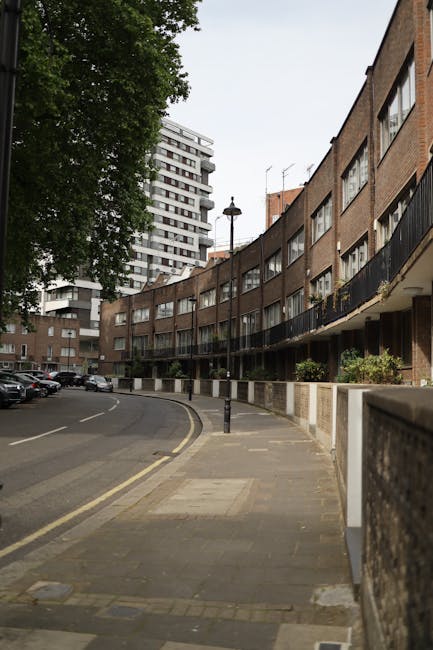
Heygate Estate friendly removals in Elephant and Castle
Posted on 19/06/2026

Moving from, to, or around Heygate Estate can feel surprisingly tricky for what looks like a short local job. Tight access, lift bookings, awkward corners, parking pressure, and the usual London time squeeze can turn a simple move into a bit of a headache. That is exactly why Heygate Estate friendly removals in Elephant and Castle matters: it is not just about getting boxes from A to B, but doing it in a way that is calm, considerate, and practical for the estate, the neighbours, and your own schedule.
If you are comparing local movers, trying to move a flat full of furniture, or just want a smoother day with fewer surprises, this guide breaks down the whole process in plain English. You will find how estate-friendly removals work, what to ask for, where the common risks are, and how to make the move feel less like organised chaos and more like a controlled reset. Sounds better already, doesn't it?
- Why it matters
- How it works
- Key benefits
- Who needs this service
- Step-by-step guidance
- Expert tips
- Common mistakes
- Tools and resources
- Law and best practice
- Options and comparison
- Real-world example
- Practical checklist
- Conclusion
- Frequently asked questions
Why Heygate Estate friendly removals in Elephant and Castle Matters
Heygate Estate and the wider Elephant and Castle area have their own moving rhythm. It is a busy part of London, and that changes everything. A removal job here usually needs more than a van and a couple of strong backs. It needs timing, planning, and a bit of local awareness.
Friendly removals are about reducing friction. That means fewer blocked entrances, less noise at the wrong moment, better protection for communal areas, and a more respectful experience for everyone nearby. In practice, that often translates into a smoother move for you too, because the day runs with fewer stop-start moments. And let's face it, nobody wants to be carrying a sofa while someone is trying to squeeze past with a pushchair.
This matters even more if you are moving from a high-rise flat, a new-build apartment, or a home with shared access routes. Those settings can involve lifts, corridors, loading windows, concierge arrangements, and building rules that are easy to overlook until the day itself. A good local removal approach respects those details rather than fighting them.
If you are planning a broader move in the area, it can also help to explore related local guidance such as flat removals in Elephant and Castle or the wider removals service for Elephant and Castle. Those pages fit naturally with the kind of move most people are making around Heygate Estate.
How Heygate Estate friendly removals in Elephant and Castle Works
The process is usually simpler than people expect, but only if it is handled properly. The best removals start before the van arrives. You check the access, identify larger items, make sure parking and timing are workable, and decide what needs dismantling or special handling.
For Heygate Estate, the focus is often on access-friendly logistics. That may mean planning how to move furniture through communal spaces without damage, booking the right size vehicle, and scheduling the lift or loading slot carefully. The smoother the preparation, the less likely you are to hit a bottleneck on the day.
Here is the usual flow:
- Initial assessment: You describe the property, the number of rooms, access details, and any awkward items.
- Quote and planning: The mover estimates the vehicle size, time needed, and any extras such as packing or storage.
- Packing and protection: Boxes, wrap, blankets, and floor protection are prepared where needed.
- Collection and loading: Items are taken out in an organised sequence, usually prioritising the bulkiest pieces first.
- Transport and delivery: The team moves the load safely, aiming to keep the day on schedule.
- Placement and unpacking: Larger pieces are positioned in the right rooms, which saves you a lot of re-lifting later.
That sounds straightforward, and in a good move it is. The difference comes from the little things: whether the mover arrives with enough blankets, whether they know how to handle shared entrances politely, and whether they have thought about the route from the flat to the street. Those details make the whole job feel human rather than hectic.
Key Benefits and Practical Advantages
The strongest reason to choose an estate-friendly removal approach is stress reduction. But there are other real benefits too.
- Less risk of damage: Careful handling protects walls, floors, doors, and furniture.
- Better time control: A well-planned move is less likely to overrun.
- Improved neighbour relations: Quiet, considerate work keeps things civil in shared buildings.
- Smarter use of labour: The right van size and moving plan means fewer wasted trips.
- More confidence on moving day: You know who is doing what and why.
There is also a practical financial angle. A move that is organised properly can help avoid avoidable delays, repeat journeys, or damage-related costs. Nobody enjoys paying for problems that a little forethought could have prevented. Quite honestly, that is one of the biggest hidden advantages of using a local team that understands Elephant and Castle.
If you are moving out of a furnished property or need extra handling for bulky belongings, you may also want to look at furniture removals in Elephant and Castle or the broader man with van service in Elephant and Castle. Each fits a different kind of move, and that distinction matters more than people think.
Who This Is For and When It Makes Sense
This kind of service is a good fit for anyone moving within or near Heygate Estate, but it is especially useful in a few common situations.
- Flat movers: Ideal if you are leaving a compact apartment with stairwells, lifts, or shared access.
- Students and young professionals: Handy when the move is small but time-sensitive.
- Families: Useful when there are more boxes, larger furniture items, and more to organise.
- Landlords and tenants: Helpful for quick turnaround between occupants.
- Anyone on a deadline: Great if completion day, tenancy handover, or work commitments leave little wiggle room.
It also makes sense if you simply want fewer variables on the day. Maybe you can handle some of the packing yourself, but you do not want to wrestle a wardrobe through a narrow corridor. Fair enough. That is exactly the sort of judgement call where a sensible local mover earns its keep.
If your move is part of a broader property change, the local context may help too. Some readers find it useful to check the area-specific background in the local residency guide for Elephant and Castle or even the home buying guide for Elephant and Castle if they are moving because of a purchase.
Step-by-Step Guidance
If you want the move to feel manageable, break it into stages. That is the real trick. One giant moving day is intimidating; six smaller decisions are not.
- Take inventory. Write down the main items room by room. You do not need a fancy spreadsheet unless you want one, but clarity helps.
- Measure the awkward pieces. Wardrobes, beds, sofas, and desks are the usual suspects. Measure height, width, and depth.
- Check access. Note lifts, stairs, parking restrictions, entry codes, and any estate-specific rules.
- Decide what needs packing support. Kitchen items, fragile decor, monitors, and artwork usually benefit from proper packing materials.
- Choose the right service level. A small load may suit a van-based move, while larger flats and houses may need a more full-service approach.
- Confirm timing. Make sure the moving window works with keys, access arrangements, and building rules.
- Prepare a first-day box. Keep tea, chargers, documents, toiletries, and a few essentials separate. You will thank yourself later.
- Walk through the destination first. If you can, decide where furniture will go before the van arrives. It saves a lot of standing around and pointing.
A small aside: the humble box of essentials often gets treated like an afterthought, but it is the difference between a calm first night and a hunt for a toothbrush at 10:45 pm. Not glamorous, but vital.
Expert Tips for Better Results
After enough local moves, certain habits clearly make a difference. Nothing magical. Just solid practice.
- Book earlier than you think: Elephant and Castle can get busy, and the best time slots disappear fast.
- Be honest about stairs and access: Surprises on moving day are expensive in stress, if not money.
- Use strong boxes and consistent labelling: One side should show the room, the other the contents or fragility level.
- Protect surfaces: Blankets, corner protectors, and floor coverings can prevent the little scuffs that become annoying later.
- Separate fragile and heavy items: Mixing them is where broken glasses and sore backs come from.
- Ask about dismantling: Beds, tables, and some wardrobes are easier to move in parts.
Another good habit is to keep communication simple. A clear moving brief beats a long vague explanation every time. If a mover knows that the sofa is a tight squeeze and the parking is slightly awkward, they can plan around it rather than improvising at the kerb.
If you have a specialist item, it is worth checking dedicated support such as piano removals in Elephant and Castle. Special items need special handling. That is not overcautious; it is just sensible.

Common Mistakes to Avoid
Most moving problems are predictable. The frustrating part is that they are predictable in hindsight. Here are the big ones.
- Underestimating access issues: A staircase that looks fine on paper can be far less fine when you are carrying a mattress.
- Leaving packing too late: Rushed packing leads to broken items, lost items, and unnecessary panic.
- Picking the wrong vehicle size: Too small means repeat journeys; too large can be awkward in tight streets.
- Forgetting building rules: Lift booking, entry windows, and loading arrangements can matter more than you expect.
- Not checking insurance and safety practices: You want reassurance that the team handles items responsibly.
- Assuming everything will fit first time: It often does not. That is normal, but it should still be planned for.
One of the quieter mistakes is not asking enough questions before booking. It feels polite in the moment, but it can cost you later. Ask about access, waiting time, and how the team handles fragile or bulky items. If the answers are vague, that tells you something useful.
Tools, Resources and Recommendations
You do not need a truckload of equipment to organise a good move, but a few basics really help.
| Item | Why it helps | Best use |
|---|---|---|
| Strong moving boxes | Protects contents and stacks better | Books, kitchenware, small household items |
| Labels or marker pens | Makes unloading faster | Room-by-room sorting |
| Bubble wrap / packing paper | Reduces breakage risk | Glass, ceramics, decor, screens |
| Furniture blankets | Helps prevent scuffs and dents | Sofas, tables, wooden items |
| Tape and cutters | Keeps packing secure and tidy | Closing boxes, dismantling simple packaging |
For people who want a more guided approach, it can help to review packing and boxes in Elephant and Castle, especially if you are packing a full flat. If you expect short-term overflow between homes, storage in Elephant and Castle can also be a sensible bridge. Sometimes moving does not line up neatly. Life rarely does.
You can also look at the broader services overview to understand what different moving setups are typically designed to handle.
Law, Compliance, Standards, or Best Practice
With removals, the safest approach is to think in terms of accepted UK best practice rather than overpromising anything dramatic. A reputable mover should operate responsibly with regard to handling goods, road safety, insurance awareness, and respect for building rules. In practical terms, that means being careful, organised, and transparent.
There are a few areas readers usually care about:
- Insurance and safety: You want to know how items are protected during handling and transit.
- Clear terms: It should be obvious what is included, what is not, and how timing works.
- Payment security: Bookings and payments should be handled in a sensible, secure way.
- Complaint handling: Good businesses have a clear route if something goes wrong.
- Environmental responsibility: Reuse, recycling, and waste reduction are increasingly part of normal moving practice.
It is also worth checking the company's own public policies if you want reassurance before booking. Pages such as insurance and safety, payment and security, terms and conditions, complaints procedure, and recycling and sustainability are useful trust signals for anyone comparing providers. No need to overcomplicate it; just look for clarity and common sense.
If accessibility matters for your move, or for someone helping you move, it is also worth reading the accessibility statement. That sort of detail is easy to overlook until it suddenly becomes important.
Options, Methods, or Comparison Table
Different moving needs call for different approaches. The best choice depends on your property, your timeline, and how much lifting you want to take on yourself.
| Option | Best for | Pros | Trade-offs |
|---|---|---|---|
| Man and van | Smaller moves, a few large items, quick local jobs | Flexible, usually cost-conscious, easy for short distances | May not suit very large or complex moves |
| Full house removals | Entire homes, family moves, larger inventories | More support, better for bulky loads, less effort for you | Requires more planning and coordination |
| Same-day removals | Urgent bookings and unexpected timetable changes | Fast response, useful in tight situations | Availability can vary, and prices may differ |
| Specialist removals | Furniture, pianos, office items, delicate pieces | Tailored handling, better protection for valuables | May need extra planning or specific equipment |
For many Heygate Estate moves, a smaller local setup works brilliantly. For larger households or more complicated access, broader house removals in Elephant and Castle may be the better fit. If you are moving at speed, the same-day removals service can be the practical backup plan.
Case Study or Real-World Example
Imagine a couple moving from a two-bedroom flat near Heygate Estate into a smaller apartment a short distance away in Elephant and Castle. On paper, it looks easy. Same area, not much distance, no long motorway drive. But the reality is different. They have a bed frame that needs dismantling, two bookcases, a dining table, and a lot of kitchen boxes that were somehow underestimated until the hallway started filling up.
The move goes smoothly because the key details were handled in advance. The mover knows there is lift access but limited loading time. The couple separates the fragile items, labels the rooms properly, and keeps a small essentials bag aside. The van arrives with blankets and enough space for the larger pieces, so there is no awkward second run. By mid-afternoon, the furniture is in place and the couple can actually sit down with a cup of tea instead of spending the evening hunting for a kettle cable.
That kind of move is not glamorous. But it is the sort that feels good afterwards. Calm. Efficient. No drama. Honestly, that is the real goal.
Practical Checklist
Use this checklist in the last few days before moving:
- Confirm the move date and access window.
- Check lift bookings, parking, or any estate instructions.
- Finish packing non-essentials early.
- Label boxes by room and priority.
- Set aside valuables, documents, and medicines.
- Measure large furniture and awkward hallways.
- Disassemble furniture only if it is safe to do so.
- Protect fragile items with suitable packing materials.
- Prepare a first-night essentials bag.
- Share any special instructions with the mover before the day.
Helpful takeaway: the best removals in Heygate Estate are usually the ones where the small decisions are made early. That is what keeps the day steady.
Get a free quote today and see how much you can save.
Conclusion
Heygate Estate friendly removals in Elephant and Castle are really about respect: respect for the building, for the street, for the people around you, and for your own time. If the move is planned well, it feels lighter. Less frantic. More under control.
Whether you are moving a single flat, handling a same-day change, or organising a more involved household move, the right local approach makes a visible difference. The key is to ask the right questions, prepare the practical details, and choose a service that understands the realities of moving in this part of London.
And if you are still at the planning stage, that is fine. Take it step by step. A good move rarely happens by luck; it happens because someone thought ahead just enough. That's the bit that saves your nerves.